Unstoppable Google Play Subs? Chargeback Pros & Cons
The convenience of digital subscriptions has revolutionized how we consume content, services, and apps. From streaming music to premium productivity tools like "Mini Scanner" apps, signing up is often just a tap away. However, the ease of starting a subscription can sometimes be overshadowed by the frustration of trying to stop one. If you've ever found yourself asking, "
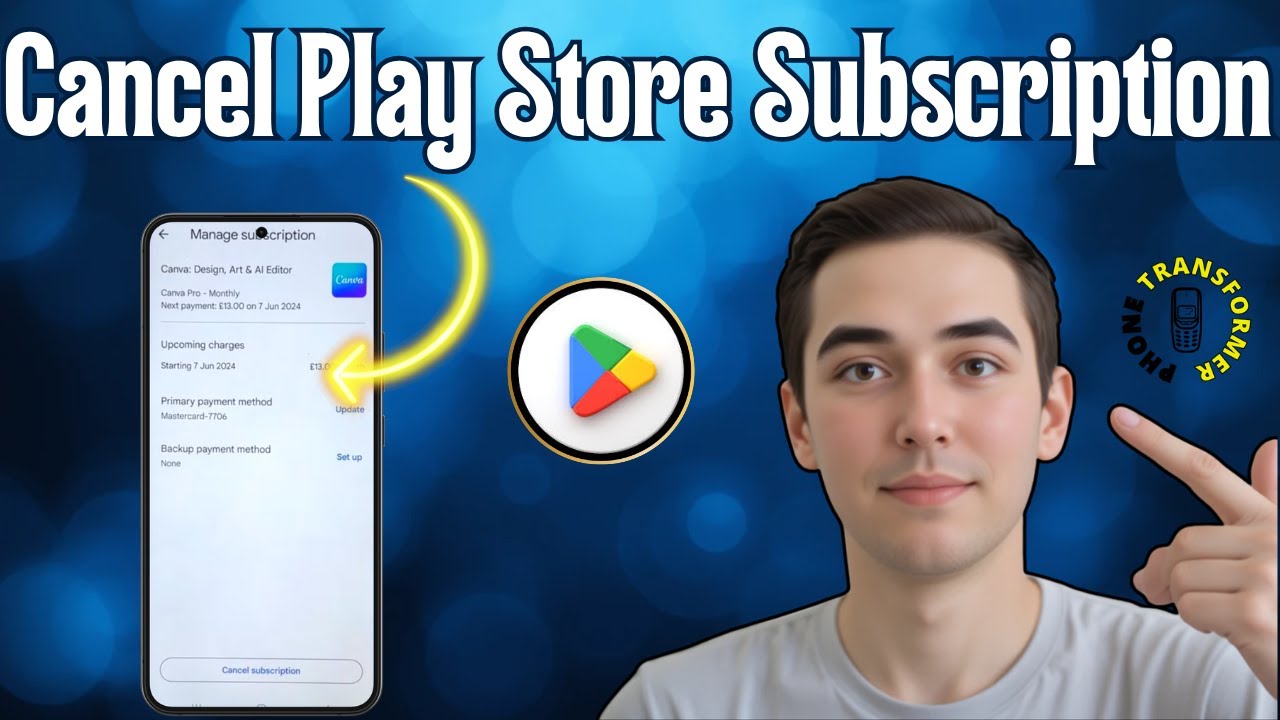
how to cancel Google Play subscription?" only to hit roadblocks, you're not alone. This comprehensive guide will walk you through the proper cancellation methods, troubleshoot persistent billing issues, and delve into the controversial last resort: chargebacks – outlining both their potential benefits and severe drawbacks.
The Core Method: How to Cancel Google Play Subscriptions (The Right Way)
The primary frustration for many users stems from misunderstanding where to effectively manage and cancel their subscriptions. A common misconception is that simply uninstalling an app from your phone will automatically terminate its associated subscription. Unfortunately, this is rarely the case. Uninstalling an app only removes it from your device; the billing agreement often remains active in your Google Play account.
To truly cancel a Google Play subscription, you need to access your Google Play account settings, ideally through a web browser on a PC or laptop. While some Android apps might offer a "Manage Subscription" option, it’s not always present, and often only links you back to the Google Play Store anyway, where the option might still be elusive on a mobile device. For instance, in the past, users trying to cancel services like Google Play Music (now largely superseded by YouTube Music) found they had to navigate through specific sections like "music," then "my music," and then a settings gear to find the cancellation option. This highlights the importance of going directly to the source.
The most reliable method for how to cancel a Google Play subscription is as follows:
- Go to Google Play on a PC: Open your web browser and navigate to play.google.com/store. Make sure you are signed in with the Google account that the subscription is tied to.
- Access Subscriptions: On the left-hand menu, click on "My subscriptions." This section lists all active, paused, and expired subscriptions associated with your Google account.
- Select and Cancel: Find the subscription you wish to cancel from the list. Click on "Manage" next to it, and then select "Cancel subscription."
- Confirm Cancellation: You might be asked to provide a reason for cancellation or confirm your decision. Follow the prompts to finalize the process.
Once cancelled, the subscription will typically remain active until the end of its current billing period. This means if you cancel a monthly subscription on the 15th, but it was set to renew on the 30th, you’ll still have access to the service until the 30th and won't be charged for the next cycle. This scheduled cancellation is a convenient feature, allowing you to stop payments without immediately losing access.
For a more detailed walkthrough on utilizing your computer for this task, you might find our guide
Cancel Google Play Subscriptions: Your PC is the Key particularly helpful.
When Cancellation Fails: Troubleshooting Persistent Subscriptions
What happens when you follow the steps, receive confirmation that your subscription is cancelled, but then find yourself charged again the following month? This incredibly frustrating scenario, reported by many users, suggests a deeper issue. You might be staring at your bank statement, wondering why your diligent efforts haven't stopped the recurring drain on your funds.
Several factors could contribute to a "sticky" subscription:
*
System Lag or Processing Delays: Sometimes, there can be a delay between the cancellation confirmation and the system fully updating. While less common, it’s possible a charge might sneak through if the timing is just right.
*
Multiple Google Accounts: If you use more than one Google account, it’s possible the subscription is tied to a different account than the one you checked. Always confirm you're logged into the correct Google ID.
*
Account Compromise/Unauthorized Access: In more serious cases, if you've cancelled a subscription and it mysteriously reactivates, or new subscriptions appear that you didn't authorize, your account might be compromised. Hackers can sometimes resubscribe services, change passwords, or add new devices.
*
Confusing Trial Periods: Some apps offer free trials that automatically convert to paid subscriptions if not cancelled before the trial ends. Ensure you understand the terms of any trial you sign up for.
If you find yourself in this predicament, here are advanced troubleshooting steps:
1.
Verify Cancellation Status: Revisit your "My subscriptions" page on
play.google.com/store. Double-check that the subscription truly shows as "Cancelled" or "Expired."
2.
Review Order History: While on the Google Play website, check your "Order history" (also on the left-hand menu). This provides a chronological record of all your purchases and subscriptions. If you see charges after your cancellation date, take screenshots.
3.
Check Authorized Devices & Security: If you suspect unauthorized activity, immediately check the authorized devices on your Google account and change your password to a strong, unique one. Enable two-factor authentication (2FA) if you haven't already. This is crucial for account security.
4.
Contact Google Play Support: If all else fails, reach out directly to Google Play support. Provide them with screenshots of your cancellation confirmation and subsequent charges. Clearly explain the timeline and the issue.
5.
Contact the App Developer: Sometimes, contacting the specific app developer directly can also help, especially if the issue seems to be on their end rather than Google's billing system.
When a Google Play subscription refuses to stop, it can feel like an endless battle. For more in-depth solutions to these frustrating scenarios, refer to our article
Google Play Subscription Won't Stop? Essential Fixes.
The Nuclear Option: Google Play Chargebacks – Pros and Cons
After exhausting all conventional cancellation and troubleshooting methods, some users consider the most aggressive approach: initiating a chargeback through their bank or credit card provider. A chargeback is when your bank forcibly reverses a transaction, returning the money to your account. This is usually reserved for unauthorized charges, services not rendered, or situations where a vendor fails to resolve a billing dispute.
While a chargeback might seem like the ultimate solution for persistent, unwanted charges, it comes with a significant set of potential consequences, particularly when dealing with a massive entity like Google.
Pros of Initiating a Chargeback:
- Recouping Lost Funds: The most immediate benefit is getting your money back, especially if you've been wrongly charged for multiple months, as some users have experienced.
- Motivates Vendors: Chargebacks are costly for merchants. Each chargeback incurs fees for the vendor (which can be substantial, sometimes up to $75 per transaction) and negatively impacts their merchant account standing. Enough chargebacks can motivate companies like Google to improve their cancellation processes or customer service to avoid future penalties.
- Immediate Action: Your bank can often process a chargeback relatively quickly, providing a faster resolution than potentially lengthy customer support interactions.
Cons of Initiating a Chargeback:
- Account Suspension or Termination: This is the most significant risk. Google's terms of service often include clauses allowing them to suspend or terminate accounts for chargebacks. If Google deems the chargeback illegitimate or an abuse of the system (even if you feel justified), your entire Google account could be affected.
- Loss of Digital Purchases: An account suspension or termination means you could lose access to *all* digital content purchased through that Google account – apps, movies, books, music, and even data stored on Google Drive. This could be a far greater loss than the subscription fees themselves.
- Payment Method Restriction: Google might flag your credit card or bank account and refuse to accept future payments from it, even for legitimate purchases or subscriptions you wish to keep. They might even block other payment methods linked to your name or address.
- Impact on Other Google Services: Your Google account is a central hub for many services (Gmail, Google Photos, YouTube, Google Maps, etc.). A severe action against your account could disrupt or revoke access to these essential tools.
- Difficulty Reactivating: Once an account is suspended or terminated due to a chargeback, it can be incredibly difficult, if not impossible, to reactivate or recover.
In essence, consider a chargeback as a "nuclear option" to be used with extreme caution and only as a last resort, after you have exhausted all other avenues of communication with both Google Play support and potentially the app developer. Weigh the potential financial recovery against the risk of losing access to your entire Google digital ecosystem.
Prevention is Key: Best Practices for Managing Subscriptions
While knowing how to cancel and troubleshoot is crucial, prevention is always better than cure. By adopting smart habits, you can minimize the chances of unwanted or persistent Google Play subscriptions:
*
Regularly Review Your Subscriptions: Make it a habit to check your "My subscriptions" page on Google Play every few months, even if you think you don't have any active ones.
*
Read the Fine Print for Trials: Always understand the terms of any free trial, especially when it will convert to a paid subscription and how to cancel it before that happens. Set calendar reminders!
*
Use Strong Passwords and 2FA: Protect your Google account with a strong, unique password and enable two-factor authentication to prevent unauthorized access and potential subscription fraud.
*
Monitor Bank Statements: Regularly review your bank and credit card statements for unfamiliar charges. Catching an unauthorized subscription early makes it much easier to resolve.
*
Be Wary of "One-Click" Subscriptions: While convenient, always be mindful of what you're agreeing to when signing up for services directly through apps or websites that link to Google Play billing.
Conclusion
Navigating the world of Google Play subscriptions can be straightforward if you know the correct cancellation methods. Understanding
how to cancel Google Play subscription primarily involves using the web interface on a PC. When faced with persistent billing issues, thorough troubleshooting, checking for account compromise, and contacting support are essential steps. While chargebacks offer a way to recoup funds and push vendors to improve, they come with significant risks, potentially leading to account restrictions or termination. By practicing diligent subscription management and being aware of the full spectrum of solutions and consequences, you can regain control over your digital spending and ensure your Google Play experience remains positive.